Family tendencies are patterns of behavior, beliefs, and values that are passed down from generation to generation within a family. These tendencies can be positive, such as a strong work ethic or a commitment to education, or they can be negative, such as a tendency towards addiction or violence.
Family tendencies are shaped by a variety of factors, including genetics, environment, and culture. Genes play a role in determining certain personality traits and behaviors, but environment also plays a significant role. For example, children who grow up in homes where their parents are heavy smokers are more likely to become smokers themselves. Culture also plays a role in shaping family tendencies. For example, in some cultures, it is considered important to show respect for elders, while in other cultures, it is more common for children to challenge their parents.
Family tendencies can have a significant impact on an individual's life. Positive family tendencies can help children to succeed in school, build healthy relationships, and make good choices. Negative family tendencies can lead to problems such as addiction, violence, and mental illness.
Family Tendencies Examples
Family tendencies are patterns of behavior, beliefs, and values that are passed down from generation to generation within a family. These tendencies can be positive or negative, and they can have a significant impact on an individual's life.
- Genetic: Family tendencies can be passed down through genes. For example, if one parent has a history of alcoholism, their children are more likely to develop alcoholism themselves.
- Environmental: Family tendencies can also be shaped by the environment in which a child grows up. For example, children who grow up in homes where their parents are heavy smokers are more likely to become smokers themselves.
- Cultural: Family tendencies can also be influenced by culture. For example, in some cultures, it is considered important to show respect for elders, while in other cultures, it is more common for children to challenge their parents.
- Behavioral: Family tendencies can be expressed through behavior. For example, if one parent has a history of violence, their children are more likely to be violent themselves.
- Beliefs: Family tendencies can also be expressed through beliefs. For example, if one parent believes that education is important, their children are more likely to value education themselves.
- Values: Family tendencies can also be expressed through values. For example, if one parent values honesty, their children are more likely to be honest themselves.
- Positive: Family tendencies can be positive or negative. Positive family tendencies can help children to succeed in school, build healthy relationships, and make good choices.
- Negative: Negative family tendencies can lead to problems such as addiction, violence, and mental illness.
Family tendencies are a complex and multifaceted phenomenon. They can be shaped by a variety of factors, and they can have a significant impact on an individual's life. It is important to be aware of the potential impact of family tendencies, and to take steps to mitigate the risks and promote the benefits.
Genetic
The connection between genetics and family tendencies is complex. While genes play a role in determining certain personality traits and behaviors, environment also plays a significant role. However, there is evidence to suggest that certain genetic predispositions can increase the risk of developing certain conditions, such as alcoholism.
For example, studies have shown that children who have a parent with a history of alcoholism are more likely to develop alcoholism themselves. This is thought to be due to a combination of genetic and environmental factors. Children who grow up in homes where alcohol abuse is common are more likely to be exposed to alcohol and to learn positive attitudes about drinking. They are also more likely to have parents who model unhealthy drinking behaviors.
It is important to note that not all children who have a parent with a history of alcoholism will develop alcoholism themselves. However, the genetic predisposition to alcoholism is a risk factor that should be taken into account. If you have a family history of alcoholism, it is important to be aware of the risks and to take steps to reduce your risk of developing the condition.
There are a number of things that you can do to reduce your risk of developing alcoholism, including:
- Avoiding alcohol or drinking in moderation
- Setting limits on your drinking
- Avoiding situations where you are likely to drink heavily
- Talking to your doctor about your concerns
If you are concerned about your drinking, it is important to seek professional help. Treatment for alcoholism can be effective in helping people to overcome the condition and to live healthy, productive lives.
Environmental
The environment in which a child grows up can have a significant impact on their development. This includes the physical environment, such as the home and neighborhood, as well as the social environment, such as the family and peers.
- Parental smoking: Children who grow up in homes where their parents smoke are more likely to become smokers themselves. This is due to a combination of factors, including exposure to secondhand smoke, modeling of smoking behavior, and positive attitudes about smoking.
- Peer pressure: Children who have friends who smoke are more likely to start smoking themselves. This is because peer pressure can be a powerful influence on behavior, especially during adolescence.
- Neighborhood: Children who live in neighborhoods where smoking is common are more likely to start smoking themselves. This is because they are more likely to be exposed to secondhand smoke and to have friends who smoke.
- School: Children who attend schools where smoking is common are more likely to start smoking themselves. This is because they are more likely to be exposed to secondhand smoke and to have friends who smoke.
It is important to note that the environment is not the only factor that influences whether or not a child will start smoking. Genetics also play a role. However, the environment can play a significant role in shaping a child's attitudes and behaviors towards smoking.
Parents can play an important role in reducing their child's risk of starting to smoke. They can do this by:
- Not smoking themselves
- Setting clear rules about smoking in the home
- Talking to their children about the dangers of smoking
- Encouraging their children to make healthy choices
By taking these steps, parents can help to reduce their child's risk of starting to smoke and developing a lifelong addiction to tobacco.
Cultural
Culture plays a significant role in shaping family tendencies. Different cultures have different values, beliefs, and norms that can influence how families interact and behave. These cultural influences can be seen in a variety of areas, including communication styles, parenting practices, and family roles.
- Communication styles: In some cultures, it is considered important to show respect for elders by speaking politely and using formal language. In other cultures, it is more common for children to challenge their parents and to express their opinions openly.
- Parenting practices: In some cultures, parents are expected to be strict and authoritarian. In other cultures, parents are more likely to be permissive and nurturing.
- Family roles: In some cultures, the father is the head of the household and has the final say in all matters. In other cultures, both parents share equally in decision-making and child-rearing.
Behavioral
Behavioral tendencies are patterns of behavior that are passed down from generation to generation within a family. These tendencies can be positive, such as a strong work ethic or a commitment to education, or they can be negative, such as a tendency towards violence or addiction.
- Modeling: Children learn by observing the behavior of their parents and other adults in their lives. If a child sees their parents behaving violently, they are more likely to learn that violence is an acceptable way to solve problems.
- Reinforcement: Parents may reinforce their children's violent behavior by rewarding them for it, either intentionally or unintentionally. For example, a parent who laughs when their child hits a sibling is reinforcing the child's violent behavior.
- Genetics: There is some evidence to suggest that genetics may also play a role in violent behavior. However, it is important to note that genetics are not destiny. Even if a child has a genetic predisposition to violence, they can still learn to control their behavior.
Family tendencies are a complex and multifaceted phenomenon. They can be shaped by a variety of factors, including genetics, environment, and culture. It is important to be aware of the potential impact of family tendencies, and to take steps to mitigate the risks and promote the benefits.
Beliefs
Beliefs are an important part of family tendencies. They can shape how we view the world and our place in it. They can also influence our behavior and choices. For example, if one parent believes that education is important, their children are more likely to value education themselves. This is because children learn by observing the behavior of their parents and other adults in their lives. If they see their parents valuing education, they are more likely to learn that education is important themselves.
Beliefs can also be passed down from generation to generation through stories, traditions, and rituals. For example, many families have a tradition of reading together at night. This tradition can help to instill a love of reading in children. It can also help to create a strong bond between family members.
Beliefs play a powerful role in shaping our lives. They can influence our thoughts, feelings, and actions. It is important to be aware of our beliefs and to make sure that they are aligned with our values. If we do not agree with our family's beliefs, it is important to have open and honest conversations about them. This can help to prevent conflict and to create a more understanding and supportive family environment.
Values
Values are an important part of family tendencies. They are the principles that guide our behavior and choices. We learn our values from our parents, our family, and our culture. Values can be positive, such as honesty, integrity, and compassion, or they can be negative, such as dishonesty, violence, and greed.
Values play a powerful role in shaping our lives. They influence the way we think, feel, and act. They also influence the choices we make and the people we associate with. For example, if we value honesty, we are more likely to be honest in our dealings with others. If we value compassion, we are more likely to be kind and helpful to those in need.
Family tendencies are a complex and multifaceted phenomenon. They are shaped by a variety of factors, including genetics, environment, and culture. Values are one important component of family tendencies. They can be passed down from generation to generation through stories, traditions, and rituals.
It is important to be aware of the values that we hold and to make sure that they are aligned with our own personal values. If we do not agree with our family's values, it is important to have open and honest conversations about them. This can help to prevent conflict and to create a more understanding and supportive family environment.
Positive
Positive family tendencies are patterns of behavior, beliefs, and values that are passed down from generation to generation within a family. These tendencies can help children to succeed in school, build healthy relationships, and make good choices.
- Strong work ethic: Families that value hard work and dedication are more likely to have children who are successful in school and in their careers.
- Commitment to education: Families that emphasize the importance of education are more likely to have children who are engaged in their learning and who achieve academic success.
- Healthy communication: Families that communicate openly and honestly are more likely to have children who are able to express their thoughts and feelings in a healthy way.
- Strong family bonds: Families that are close-knit and supportive are more likely to have children who are confident and resilient.
These are just a few examples of positive family tendencies. Families that exhibit these tendencies are more likely to have children who are happy, healthy, and successful.
Negative
Negative family tendencies are patterns of behavior, beliefs, and values that are passed down from generation to generation within a family. These tendencies can lead to problems such as addiction, violence, and mental illness.
- Addiction: Families with a history of addiction are more likely to have children who develop substance abuse problems. This is due to a combination of genetic and environmental factors. Children who grow up in homes where their parents are addicted to drugs or alcohol are more likely to be exposed to these substances and to learn positive attitudes about their use. They are also more likely to have parents who model unhealthy coping mechanisms, such as using drugs or alcohol to deal with stress.
- Violence: Families with a history of violence are more likely to have children who are violent themselves. This is due to a combination of genetic and environmental factors. Children who grow up in homes where their parents are violent are more likely to be exposed to violence and to learn that violence is an acceptable way to solve problems. They are also more likely to have parents who model unhealthy coping mechanisms, such as using violence to deal with anger or frustration.
- Mental illness: Families with a history of mental illness are more likely to have children who develop mental health problems. This is due to a combination of genetic and environmental factors. Children who grow up in homes where their parents have mental illness are more likely to be exposed to mental health problems and to learn unhealthy coping mechanisms. They are also more likely to have parents who model unhealthy behaviors, such as withdrawing from social situations or using substances to self-medicate.
These are just a few examples of negative family tendencies that can lead to serious problems. It is important to be aware of the potential risks and to take steps to mitigate them.
FAQs
This section addresses commonly asked questions and clears up misconceptions regarding family tendencies and their impact on individuals and families.
Question 1: What exactly are family tendencies, and how do they manifest?
Answer: Family tendencies encompass patterns of behaviors, beliefs, and values transmitted across generations. They can be positive, contributing to success and well-being, or negative, potentially leading to challenges and difficulties.
Question 2: What are some examples of positive family tendencies?
Answer: Positive family tendencies include a strong work ethic, commitment to education, open communication, and supportive relationships, fostering children's academic achievements, healthy relationships, and positive decision-making.
Question 3: What are some examples of negative family tendencies and their potential consequences?
Answer: Negative family tendencies may involve substance abuse, violence, or mental health issues. These tendencies can increase the risk of similar problems in children due to genetic and environmental influences.
Question 4: How can families mitigate the risks associated with negative family tendencies?
Answer: Mitigating risks involves recognizing potential tendencies, promoting positive values and behaviors, seeking professional help when needed, and creating a supportive and healthy family environment.
Question 5: Can individuals overcome negative family tendencies?
Answer: While family tendencies can influence individuals, they do not predetermine outcomes. Individuals can make choices, seek support, and develop strategies to break negative cycles and create healthier patterns for themselves and future generations.
Question 6: How can professionals support individuals and families affected by family tendencies?
Answer: Professionals such as therapists, counselors, and social workers provide valuable support by assessing family dynamics, facilitating open communication, and implementing interventions to strengthen positive tendencies and address negative ones.
Summary: Family tendencies are complex and can have lasting effects. Recognizing both positive and negative tendencies and taking steps to mitigate risks and promote well-being are crucial for healthy family dynamics and individual growth.
Transition: To further explore the topic of family tendencies, the following section delves into specific examples and their implications.
Tips for Understanding and Addressing Family Tendencies
Family tendencies can have a significant impact on individuals and families, both positively and negatively. Understanding these tendencies and taking proactive steps to address them can help mitigate risks and promote well-being.
Tips:
Tip 1: Recognize and Acknowledge Family Tendencies
The first step in addressing family tendencies is to recognize and acknowledge them. This involves reflecting on the patterns of behaviors, beliefs, and values within the family, both positive and negative. Identifying these tendencies can provide insights into potential strengths and challenges.
Tip 2: Promote Positive Family Tendencies
Nurturing positive family tendencies can help strengthen family bonds and foster individual growth. Encouraging open communication, supporting education, and fostering healthy relationships can contribute to a positive family environment.
Tip 3: Mitigate Negative Family Tendencies
Addressing negative family tendencies requires a proactive approach. Seeking professional help, such as therapy or counseling, can provide support and guidance in developing strategies to break negative cycles and promote healthier patterns.
Tip 4: Foster Open and Honest Communication
Open and honest communication is crucial for addressing family tendencies. Encouraging family members to share their thoughts and feelings, both positive and negative, can help build trust and understanding.
Tip 5: Focus on Individual Growth and Resilience
While family tendencies can influence individuals, they do not predetermine outcomes. Encouraging individual growth, resilience, and self-awareness can empower family members to make positive choices and break negative cycles.
Understanding and addressing family tendencies is an ongoing process that requires patience and commitment. By following these tips, families can work together to promote positive tendencies, mitigate risks, and create a supportive and healthy environment for all members.
Conclusion: Family tendencies play a significant role in shaping family dynamics and individual outcomes. Recognizing, promoting positive tendencies, and addressing negative ones can contribute to stronger families and healthier individuals.
Conclusion
Family tendencies, encompassing patterns of behaviors, beliefs, and values passed down through generations, profoundly influence family dynamics and individual outcomes. Recognizing both positive and negative tendencies, and taking proactive steps to promote and mitigate them respectively, is crucial for fostering healthy families and well-rounded individuals.
Understanding family tendencies empowers families to break negative cycles, promote positive values, and create a supportive environment where all members can thrive. By fostering open communication, seeking professional help when needed, and focusing on individual growth and resilience, families can navigate the complexities of family tendencies and shape a positive legacy for future generations.
Comedian In Uk
Amanda Jacqueline Renner
James Derrick Net Worth

What is family tendency? The unique traits that make family special!
Family Tendency Understanding Traits and Behaviors Strategies for
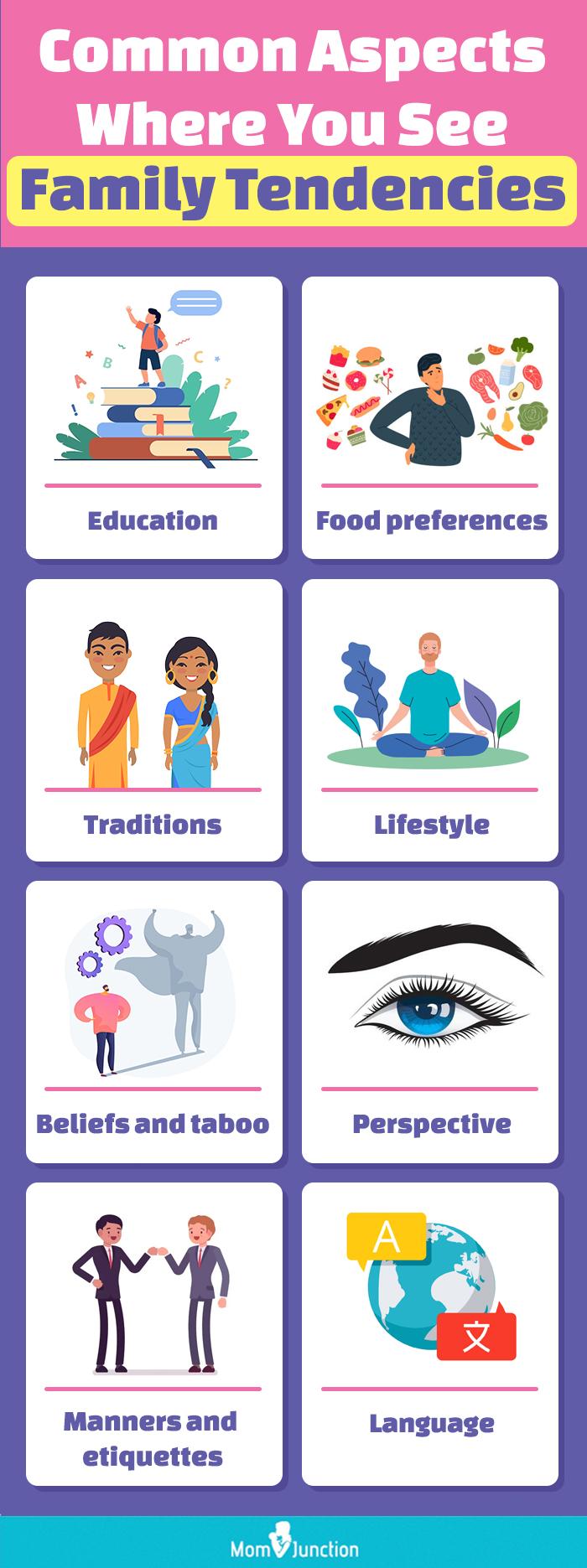
Family Tendency What It Is And Common Examples
ncG1vNJzZmisn6jAb67LqJlnm5%2Bnsm%2FDyKebqK%2BjY7umwI6moKKmlazAdXvFmqSipKliwaa6w56lnKGVqHqmxMCmp6Wdo2O1tbnL